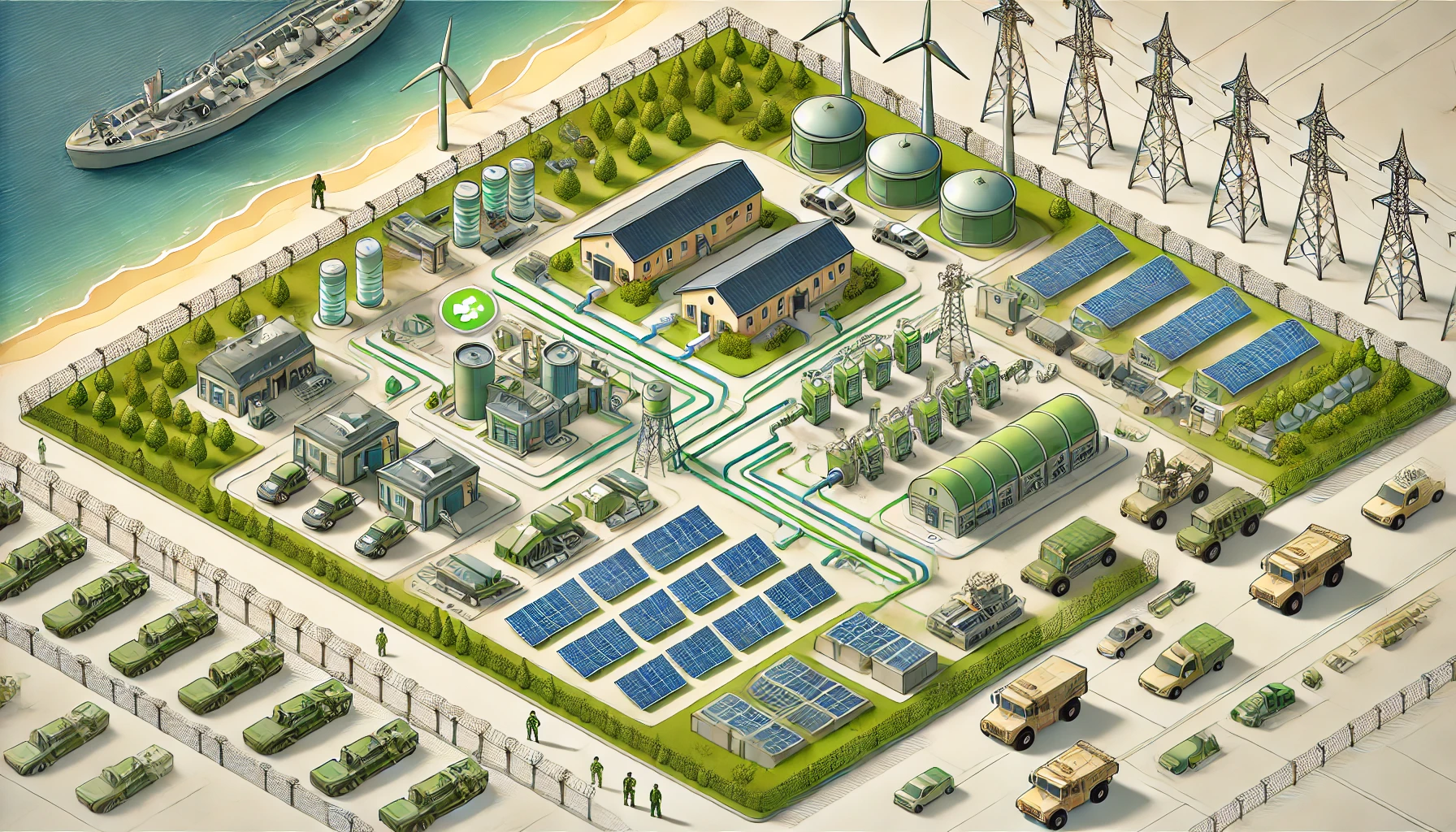

As the Army raises the bar for keeping missions running when the grid goes down, TechFlow brings something rare to the challenge: one team that designs, secures, installs, operates, and maintains military energy infrastructure.
SAN DIEGO, CA — For America’s military installations, reliable power is no longer a facilities issue. It is a readiness issue.
In a November 16, 2026, article, Powering the Fight: Army Rethinks Energy Resilience to Sustain Mission Readiness, the U.S. Army described a growing emphasis on keeping installations operating when commercial power is disrupted. Dr. Jeffrey Waksman, Principal Deputy Assistant Secretary of the Army for Installations, Energy and Environment, called for stronger energy resilience through realistic testing, advanced microgrids, emerging technologies, and commercial partnerships.
The standard is demanding. Army policy (Army Directive 2020-03) calls for installations to sustain critical missions with their own energy and water for at least 14 days. Through the Department’s Black Start Exercise program, installations deliberately cut commercial power to find out whether backup systems, and the people who run them, perform as planned.
The message is clear: resilience has to be demonstrated, not assumed.
The Problem Isn’t a Lack of Equipment
Most installations already have backup generators. Many have solar arrays, battery storage, and growing fleets of electric vehicles. What they often lack is an integrated, secure system that brings those assets together, keeps critical loads running when the utility fails, and keeps working for days rather than hours.
Closing that gap means overcoming real challenges:
- Legacy infrastructure that was never designed to operate independently of the grid.
- Mixed equipment from many manufacturers, with controls that don’t talk to each other.
- Cyber risk: every connected controller, inverter, and charger can be a point of entry.
- Mission diversity: a training installation, a logistics hub, and a naval base have very different needs.
- Sustainment: a microgrid only helps if it is maintained and operated by people who understand it.
TechFlow’s Approach
TechFlow is actively pursuing new microgrid work across the military services. Our approach is simple: build resilience around the mission, and make sure it works when it counts.
- Mission first. We start by identifying the critical operations that must stay powered, for how long, and what happens if they don’t. Then we design to that requirement.
- Use what’s already there. Before recommending new equipment, we look at how existing generators, solar, storage, and vehicle fleets can work together as one system. Often that is the fastest and most cost-effective route to resilience.
- Secure by design. Cybersecurity is built into every energy system from the first design review, not added at the end.
- Prove it. We validate performance before and after installation, using our Pilot on Paper review during design, and we support the kind of realistic testing the Army is now emphasizing.
- Sustain it. Every project includes training, documentation, and a long-term operations and maintenance plan, so installation teams can rely on the system for years.
What Makes TechFlow Energy Different
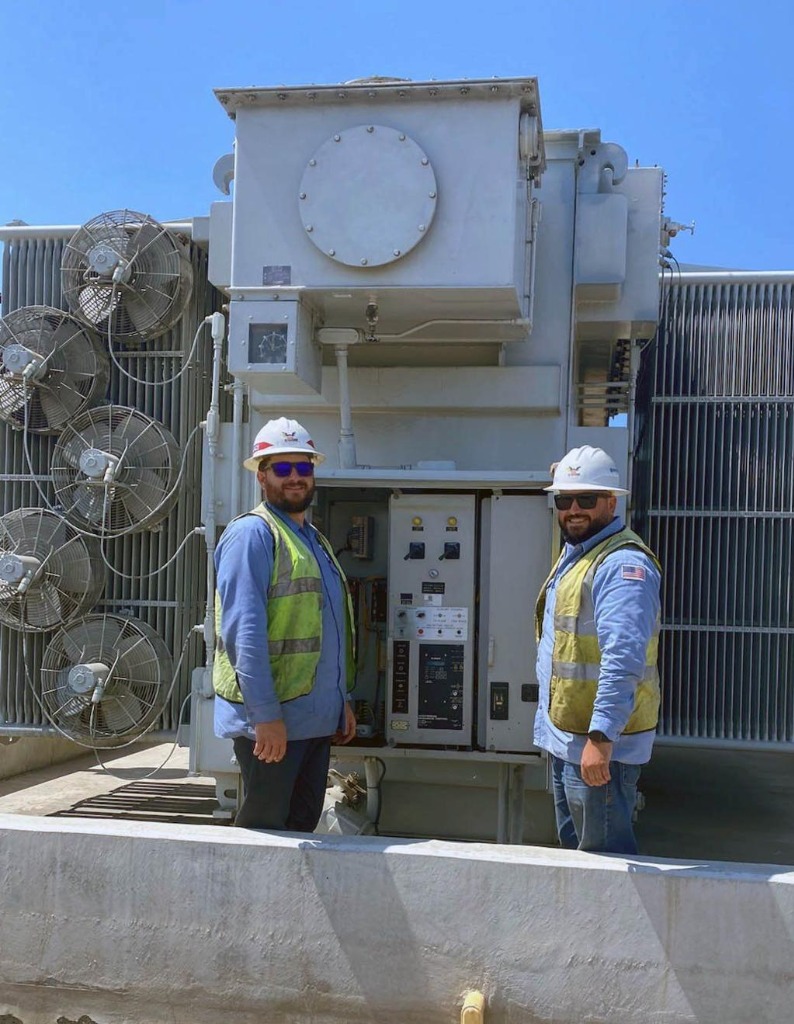
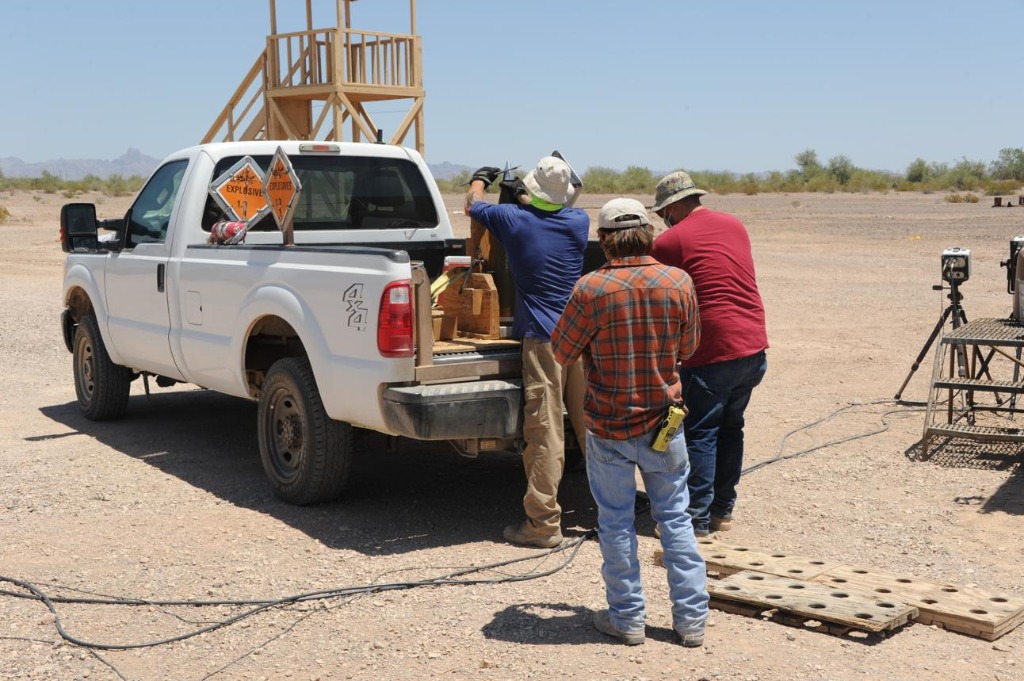
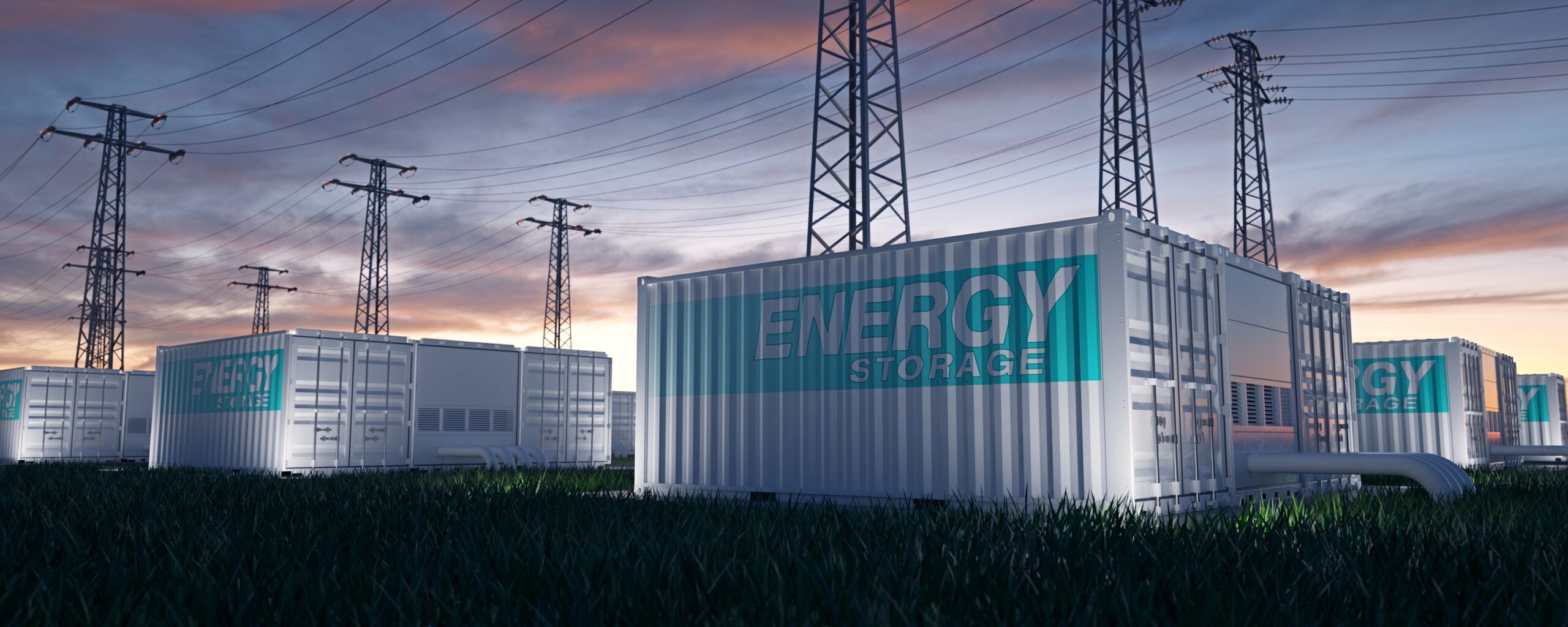
1. One team, from design to decades of operation. Most energy projects hand off between designers, installers, and maintainers, and resilience gets lost in the gaps. TechFlow can do it all. Through EMI Services, our base operations business, TechFlow already operates and maintains the infrastructure behind military missions every day: solar PV farms, battery storage, generators, uninterruptible power supplies, substations, and electrical distribution at installations from Camp Lejeune to Yuma Proving Ground. We design energy systems knowing we may be the ones keeping them running.
2. Energy engineering and cybersecurity under one roof. Energy resilience is now as much a digital challenge as an electrical one. TechFlow’s Digital Services business secures federal systems for agencies such as GSA and DHS, including the FedRAMP-authorized Cloud.gov platform. Our energy engineers work alongside those cybersecurity specialists, so chargers, controls, and networks are protected from the edge to the cloud.
3. Data-driven maintenance, proven at national scale. TechFlow keeps more than 6,000 TSA screening systems mission-ready at 300+ airports, using analytics and predictive maintenance to fix problems before they cause downtime. We bring that same discipline to energy assets, monitoring health and performance in real time so failures are caught early, not during an outage.
4. Vehicles as part of the resilience solution. TechFlow staff led the Department of Defense’s first vehicle-to-grid fleet program, across four military bases, showing that parked electric vehicles can store and supply energy back to the installation. As the military electrifies its fleets, we help turn those vehicles from a new electrical load into a resilience asset.
5. No ties to any one manufacturer. TechFlow doesn’t sell one manufacturer’s product. We are vendor-agnostic and build on open standards, so installations get the best fit for their mission, equipment that works together, and the freedom to add new technologies later without starting over.
6. Active military energy programs.
- U.S. Army Reserve: a five-year, $95M+ agreement to design, install, and maintain EV charging and supporting microgrid infrastructure, building energy resilience across 760+ facilities.
- Defense Innovation Unit: prime contractor on the EV Charging Prototype-to-Production program, delivering energy systems across eight DoD locations spanning all service branches.
- Army research labs: at Fort Leonard Wood, TechFlow supported the Army Engineer Research and Development Center in integrating autonomous electric vehicles and vehicle-to-grid charging into a tactical microgrid.
These programs also show that TechFlow can deliver through fast, flexible acquisition models such as Other Transaction Agreements. These contracts help the military move from prototype to production more quickly.
7. Owners who act like it. TechFlow is 100% employee-owned. The people who design, install, and maintain our customers’ energy systems have a personal stake in whether those systems work. Our culture rewards solving problems, not just completing tasks, and every major program is expected to deliver new innovations every quarter.
From Backup Power to Mission Assurance
The Army’s renewed focus reflects a simple reality: modern military operations depend on power, and power depends on infrastructure that can stand on its own. Meeting that standard takes more than buying equipment. It takes a partner that understands the mission, integrates technology securely, proves performance under real conditions, and stays to keep it running.
That is the partnership TechFlow is built to provide.
Because when the power goes down, the mission cannot stop.
Energy resilience is mission readiness. Always Ahead.
Sources: U.S. Army, November 16, 2026 — Powering the Fight: Army Rethinks Energy Resilience to Sustain Mission Readiness; Army Directive 2020-03, Installation Energy and Water Resilience Policy; Office of the Assistant Secretary of War for Energy, Installations and Environment — Black Start Exercises; U.S. Army, November 19, 2025 — USACE Black Start Exercise Brings Light to Readiness; U.S. Army Reserve — FY2024 Annual Report, page 10.